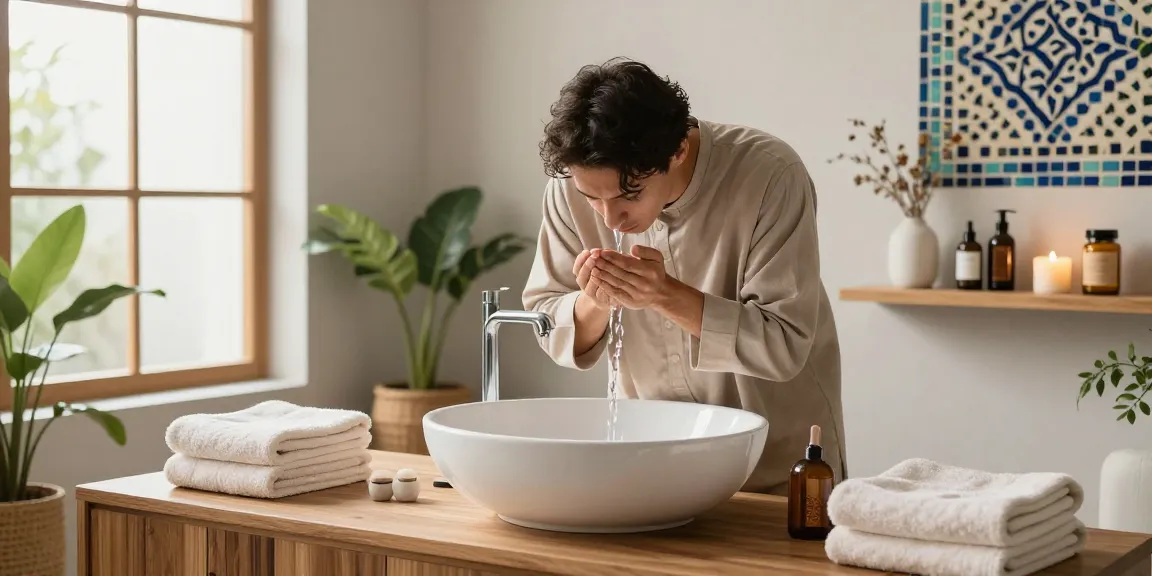
The Importance of Wudu Basins in Modern Design
In recent years, the significance of Wudu basins has transcended their traditional roles, becoming essential elements in modern architectural design. The ritual washing before prayers holds great cultural significance in many communities, particularly among Muslims, who value cleanliness as a prerequisite for worship. As urban spaces evolve, integrating Wudu basins into public and private environments enhances not only functionality but also aesthetic appeal. When exploring options, Wudu basin designs have emerged as innovative solutions that harmonize with contemporary styles while serving deeply rooted cultural practices.
Understanding the Cultural Significance
The Wudu basin serves more than just a practical function; it represents a ritual that is intrinsic to the spiritual practices of millions around the world. The act of Wudu, or ablution, is a form of preparation for prayer, emphasizing cleanliness and purity. In places of worship, schools, and community centers, Wudu basins fulfill a dual role: they facilitate religious observance while also contributing to the overall ambiance of the space. Intriguingly, the design of these basins can mirror the architectural ethos of the environment, reinforcing the idea that spirituality and modernity can coexist harmoniously.
Modern Aesthetics and Functionality
Today’s Wudu basins are crafted with both aesthetic appeal and usability in mind. Contemporary materials such as solid surface composites allow for seamless designs that are easy to clean and maintain. The use of smooth surfaces and unique shapes can elevate the visual impact of a prayer area, making it inviting and serene. Architects and designers are now incorporating lines and curves into their Wudu basin designs, reflecting the fluidity of water and enhancing the sensory experience of the user.
Benefits of Using a Wudu Basin
Enhancing Hygienic Practices in Public Spaces
In public places, the installation of Wudu basins significantly enhances hygienic practices, promoting cleanliness among users. The design of modern Wudu basins often includes features such as touchless faucets, which reduce the risk of cross-contamination and ensure a more sanitary experience. Furthermore, these basins can be constructed with materials that are resistant to bacterial growth, making them ideal for high-traffic environments such as mosques, community centers, and airports.
The Role of Wudu Basins in Home Design
Incorporating a Wudu basin within residential designs is becoming increasingly popular, especially among Muslim families. Not only do these basins support daily religious practices, but they also add value to the home. A well-placed Wudu basin in a bathroom or mudroom can serve as an elegant focal point, showcasing a commitment to cultural values while enhancing the overall aesthetic of the space.
Environmental Impact of Solid Surface Materials
When it comes to selecting materials for Wudu basins, sustainability is a growing concern. Solid surface materials are a popular choice due to their durability and ease of maintenance. Many manufacturers, including KingKonree, are focusing on eco-friendly production processes and materials that minimize environmental impact. Choosing a Wudu basin made from sustainable materials not only reduces ecological footprints but also aligns with the values of conscientious consumers.
Innovative Designs for Wudu Basins
Customization Options for Unique Spaces
One of the most exciting aspects of contemporary Wudu basins is the ability to customize designs to suit specific needs and spaces. Whether it’s a compact basin ideal for a small restroom or a larger, more elaborate installation for a grand mosque, manufacturers offer a range of designs that can accommodate diverse architectural styles. Customization allows designers to create Wudu basins that not only fulfill their functional purpose but also blend seamlessly with the surrounding environment.
Integrating Technology with Traditional Practices
The integration of technology into Wudu basin designs is creating a unique synthesis of tradition and innovation. Features such as automatic water dispensers, sensors, and heating elements are being incorporated to enhance user experience and promote hygiene. Additionally, some designs utilize smart technology to monitor water usage, contributing to water conservation efforts in line with modern sustainability goals.
Case Studies of Successful Implementations
Numerous projects showcase the effective implementation of Wudu basins in both public and private sectors. For instance, a prominent mosque in Dubai features intricately-designed Wudu basins that blend traditional Islamic art with modern materials, drawing visitors from around the globe. Similarly, an upscale community center in London has integrated Wudu basins into its eco-friendly design, emphasizing sustainability while catering to local Muslim communities.
Future Trends in Wudu Basins
Anticipating User Needs in 2026
As we look toward the future, the demand for Wudu basins is expected to evolve alongside changes in user needs and preferences. By 2026, it is anticipated that design innovations will prioritize user-friendly features that cater to an increasingly diverse population. Accessibility will likely become a focal point, with designs that consider the needs of individuals with disabilities, ensuring that everyone can partake in the ritual of Wudu.
Material Innovations and Sustainability Practices
Innovation in materials will continue to drive the evolution of Wudu basins. The focus will shift toward developing even more sustainable materials that are both aesthetically pleasing and functional. Manufacturers are likely to explore bioplastics and recycled materials, further decreasing the environmental impact while enhancing durability and maintenance.
Predictions for Wudu Basin Styles in Modern Architecture
Wudu basins will increasingly reflect the architectural trends of the future. Minimalism, biophilic design, and sustainability are expected to influence styles, leading to creations that harmoniously blend functionality with nature. The use of natural elements such as wood and stone could be prevalent, creating calming spaces that are in tune with the user’s needs for serenity and reflection.
FAQs About Wudu Basins
What materials are best for a Wudu basin?
When selecting materials for a Wudu basin, solid surface materials are highly recommended due to their durability, ease of cleaning, and aesthetic appeal. Other options include ceramic and stone, which can offer unique designs and finishes.
How do I maintain a Wudu basin effectively?
To maintain a Wudu basin, regular cleaning with mild detergents and soft cloths is advisable. Avoiding abrasive materials ensures the surface remains smooth and free from scratches, while periodic checks for plumbing issues will enhance the longevity of the basin.
Can Wudu basins be installed in small spaces?
Yes, Wudu basins can be designed to fit small spaces effectively. Custom solutions can offer compact designs that do not compromise on functionality, ensuring that even limited areas can accommodate this essential feature.
What are the best practices for public restroom Wudu basins?
In public restrooms, it is critical to ensure that Wudu basins are easily accessible, equipped with touchless features to promote hygiene, and constructed from durable materials that can withstand frequent use. Regular maintenance is also essential to keep the facilities in optimal condition.
Are there eco-friendly Wudu basin options available?
Yes, many manufacturers are now offering eco-friendly Wudu basins made from sustainable materials and produced through environmentally-friendly processes. These options cater to consumers who prioritize sustainability in their purchasing decisions.