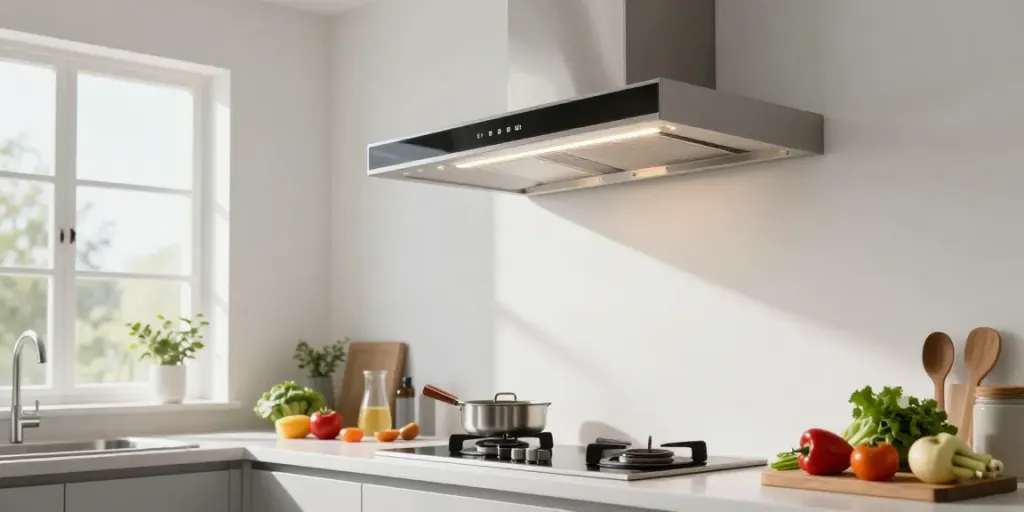
Understanding 60cm Cooker Hoods: Essential Features and Styles
When it comes to kitchen ventilation solutions, a 60 cm cooker hood is one of the most popular choices among homeowners. It perfectly complements standard-sized hobs, offering the ideal balance of size, power, and design. These hoods are designed to efficiently remove airborne grease, smoke, and odors, ensuring a pleasant cooking environment. In this comprehensive guide, we'll delve into the various types of 60 cm cooker hoods available, their installation methods, and the key features you should look for when choosing the best 60cm cooker hood for your kitchen. When exploring options, best 60cm cooker hood provides comprehensive insights into features and styles that cater to your needs.
What Are 60cm Cooker Hoods?
A 60 cm cooker hood, also known as a range hood or kitchen extractor, is an essential kitchen appliance installed above the hob or stove. Its primary function is to extract smoke, steam, and airborne grease particles produced during cooking, which helps maintain a cleaner and healthier kitchen. For those residing in smaller homes or apartments, the 60 cm model is especially advantageous due to its compact design while still providing powerful performance. These hoods can be vented to the outside or used in a recirculating mode depending on your kitchen setup and preferences.
Main Types of 60cm Cooker Hoods
There are several styles of 60 cm cooker hoods available on the market, each designed with specific aesthetics and functionality in mind:
- Chimney Cooker Hoods: These traditional designs feature a visible hood that extends upwards, often made from stainless steel or glass. They are popular for their powerful extraction capabilities and stylish appearance.
- Integrated Cooker Hoods: These are built into kitchen cabinetry, providing a seamless and minimalist look. They are ideal for modern kitchens where design continuity is crucial.
- Wall-Mounted Hoods: Best suited for open kitchen designs, these hoods are mounted directly to the wall and offer accessibility while enhancing the kitchen's decor.
- Under-Cabinet Hoods: Designed for kitchens with limited space, these hoods fit beneath cabinets and are discreet while being functional.
- Angled and Telescopic Hoods: Angled hoods sit at an incline for better head clearance, while telescopic hoods can slide out when needed and retract when not in use, making them perfect for smaller kitchens.
Key Features to Look For
When selecting a 60 cm cooker hood, it's crucial to consider various performance metrics and functional features that will enhance its usability:
- Airflow Capacity and Extraction Power: Measured in cubic meters per hour (m³/h), the airflow capacity indicates how effectively the hood can remove smoke and steam from the kitchen. A higher capacity means faster and more efficient extraction.
- Noise Levels: Most cooker hoods operate between 50 to 75 decibels (dB). Look for models that operate quietly, particularly if you have an open-plan kitchen.
- Energy Efficiency:Check for the energy rating of the hood, typically rated from A+++ (most efficient) to D (least efficient). A higher rating means lower energy bills and environmental impact.
- Venting Options: Understand whether the hood is ducted (extraction) or ductless (recirculation). Ducted hoods are typically more effective at removing odors, while ductless ones are useful for homes without venting options.
- Smart Controls: Many modern hoods now feature smart technology, allowing them to automatically adjust the fan speed and lighting based on the cooking conditions.
Installation Guide: How to Properly Install Your 60cm Cooker Hood
Installing a 60 cm cooker hood may seem daunting, but with proper planning and execution, it can be a straightforward process. Whether you choose to do it yourself or hire a professional, here's a step-by-step guide to ensure a successful installation.
Measuring Your Kitchen Space
Before installation begins, accurately measure the space where the cooker hood will be placed. Consider the height of your stove and any cabinets above it to determine the best installation height. The recommended clearance is typically between 65 cm to 75 cm above electric stoves and 75 cm to 85 cm above gas stoves, to ensure safety and optimal extraction efficiency.
Step-by-Step Installation Process
- Gather Tools and Equipment: You will need a drill, screwdriver, measuring tape, and any other tools specified in the installation manual.
- Mark Mounting Points: Use the template provided with your hood to mark the locations for drilling on your wall or cabinet.
- Install Venting Ducts: If using a ducted model, install the ductwork to vent air outside. Ensure all connections are secure to prevent leaks.
- Mount the Hood: Secure the hood to the wall or under the cabinet using the screws provided. Use a level to check that it is straight.
- Connect Electrical Wiring: If your model requires direct wiring, ensure this step is handled by a qualified electrician to comply with safety standards.
- Test the Hood: Once everything is connected, turn on the hood to ensure it operates correctly and check for any leaks if ducted.
Choosing Between DIY and Professional Installation
While some can manage the installation process independently, hiring a professional is wise for more complex installations, especially for ducted models that require modifications to existing structures. A professional installer will ensure that the job is done safely and in compliance with local building codes.
Performance Metrics: What Makes the Best 60cm Cooker Hood?
The effectiveness of a cooker hood is measured through various performance metrics that directly affect its usability in the kitchen. Here, we will explore some of the critical performance indicators to consider when selecting your cooker hood.
Airflow Capacity and Extraction Power
As mentioned earlier, the airflow capacity is essential in determining how well the cooker hood can remove smoke, odors, and steam. For optimal performance, a hood should ideally have an airflow capacity of at least 400 m³/h for average cooking needs, while heavy cooking might require models upwards of 600 m³/h.
Noise Levels: What to Expect
Noise levels can greatly impact your cooking experience. Many manufacturers classify their models by noise levels, with quieter models falling under 60 dB. It’s best to refer to user reviews and specifications while making your choice.
Energy Efficiency Ratings Explained
Energy-efficient models can save you money in the long run. Understanding energy ratings and opting for models rated A or higher will ensure you have a performance-efficient cooker hood that also aligns with eco-friendly practices.
Smart Features in Modern 60cm Cooker Hoods
Modern 60 cm cooker hoods are now equipped with smart technology that enhances their functionality. These features not only improve convenience but also ensure better performance while cooking.
Benefits of Smart Technology
Smart cooker hoods can automatically adjust their fan speed depending on the heat levels detected. This means they work effectively without needing constant manual intervention—offering enhanced user comfort.
Automatic Fan Adjustment and Control
Advanced models may include features like Hob2Hood technology, allowing the hood to communicate wirelessly with the cooking hob. This enables automatic adjustments based on the heat being generated, providing a seamless cooking experience.
Integration with Smart Home Systems
Many contemporary hoods are compatible with smart home systems, allowing you to control them via your smartphone or other smart devices. This feature adds to the convenience of managing kitchen ventilation, especially with busy lifestyles.
Maintenance Tips for Your 60cm Cooker Hood
Proper maintenance of your cooker hood ensures it operates efficiently and prolongs its lifespan. Here are some essential tips to help you keep your cooker hood in top condition.
Cleaning and Replacing Filters
Filters should be cleaned or replaced regularly. Metal grease filters can often be cleaned in the dishwasher, whereas carbon filters in recirculating models should be replaced every 2 to 4 months to ensure optimal performance in food odor removal.
Regular Maintenance Checklist
- Clean grease filters regularly.
- Inspect and replace carbon filters as needed.
- Wipe exterior surfaces to maintain appearance.
- Check all ductwork for blockages or buildup.
- Listen for unusual sounds from the motor indicating a potential problem.
Signs Your Cooker Hood Needs Repair
If you notice a decrease in suction power, increased noise, or the presence of grease buildup around the hood, these may be signs that your hood requires attention or repair. Prompt action can often prevent more significant issues down the line.
How Often Should You Clean or Replace Filters?
As noted earlier, cleaning metal filters should be a regular part of your maintenance routine, while carbon filters should be replaced every 2 to 4 months, depending on usage. Keeping to this schedule will help maintain your hood's efficiency and the air quality in your kitchen.
What Brand of Cooker Hood is Considered the Best?
While there are many brands available, Ciarra is renowned for producing high-quality, innovative cooker hoods that meet modern cooking needs. They offer a range of stylish and functional designs, ensuring there's something for every kitchen style.