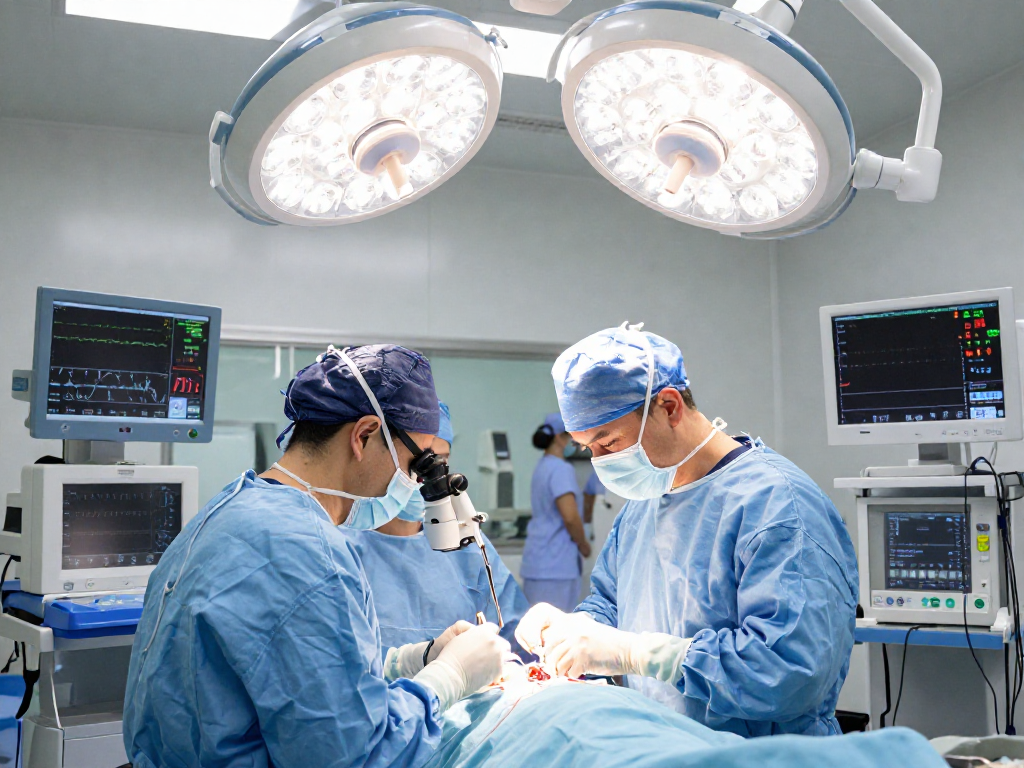
Understanding Beyin Tümörü Ameliyatı
Beyin tümörü ameliyatı, hem iyi huylu hem de kötü huylu tümörlerin tedavisinde önemli bir seçenek olarak karşımıza çıkmaktadır. Bu cerrahi müdahale, hastaların yaşam kalitesini artırmak, semptomları hafifletmek ve tümörün büyümesini durdurmak amacıyla yapılır. Ameliyat sürecine dair bilgilerin yanı sıra, beyin tümörü ameliyatı ile ilgili pek çok detayı bilmek, hasta ve yakınları için oldukça önemlidir. Günümüzde gelişmiş tıbbi teknikler ve teknolojik yenilikler sayesinde, bu tür ameliyatların başarı oranları artmış, hastaların iyileşme süreçleri hızlanmıştır.
What is Beyin Tümörü Ameliyatı?
Beyin tümörü ameliyatı, beynin içinde veya çevresindeki tümörlerin cerrahi olarak çıkarılması işlemidir. Tümörler, genellikle iyi huylu ve kötü huylu olmak üzere iki ana kategoriye ayrılır. İyi huylu tümörler genellikle yavaş büyürken, kötü huylu olanlar daha agresif bir seyir izleyebilir. Bu nedenle, uygun tedavi planını yapmak amacıyla her tümör türünün özelliklerini anlamak kritiktir.
The Different Types of Brain Tumors
Brain tumors can be classified into several categories:
- Meningiomas: Often benign and slow-growing, these tumors arise from the protective membranes covering the brain and spinal cord.
- Gliomas: These originate from glial cells and are categorized based on aggressiveness, with types like glioblastoma being highly malignant.
- Metastatic tumors: These tumors spread to the brain from other parts of the body, often indicating advanced disease.
The Surgical Process of Beyin Tümörü Ameliyatı
Preoperative Preparations and Assessments
Before undergoing surgery, patients must complete several preparatory steps. These may include imaging studies such as MRI or CT scans to assess the size and location of the tumor, blood tests, and a thorough physical examination. An experienced neurosurgeon will evaluate the patient's overall health and discuss potential risks and benefits of the procedure. A comprehensive understanding of these factors is essential for both the medical team and the patient.
What to Expect During the Surgery
During the surgery, patients are typically placed under general anesthesia. The surgeon makes an incision in the scalp and removes a section of the skull (craniotomy) to access the tumor. Advanced techniques, such as neuronavigation and intraoperative imaging, help ensure the precise removal of the tumor with minimal impact on surrounding brain tissue. The duration of the surgery varies depending on the tumor's location and complexity but generally lasts several hours.
Recovery Stages Post-Surgery
Post-surgery, patients are monitored in the hospital for a few days to observe for complications, manage pain, and assess neurological function. During this time, follow-up imaging studies may be conducted to evaluate the success of the tumor removal. Patients are gradually transitioned to rehabilitation programs to help restore cognitive and physical function. Understanding the recovery process and setting realistic expectations are crucial for patients and their families.
Risk Factors Associated with Beyin Tümörü Ameliyatı
Common Complications After Surgery
As with any surgical procedure, beyin tümörü ameliyatı carries certain risks. Some common complications may include:
- Infection at the incision site
- Bleeding in the brain
- Neurological deficits, such as weakness or speech difficulties
- Seizures
Regular follow-ups and monitoring can help mitigate these risks and assist in timely intervention if complications arise.
Factors Influencing Surgical Risks
Several factors can impact the risks associated with brain surgery, including the patient's age, overall health, tumor type and location, and previous medical history. A detailed preoperative assessment by a skilled neurosurgeon is vital to anticipate and address these risks adequately.
Informed Consent: What Patients Should Know
Patients should be fully informed about the procedure, potential risks, and expected outcomes before giving consent for surgery. This includes understanding alternatives to surgery, as well as the potential for rehabilitation needs following the procedure. Open communication with the healthcare team is essential to address any questions or concerns.
Advancements in Beyin Tümörü Ameliyatı Techniques
The Role of Neuronavigation and Robotics
Recent advances in technology, such as neuronavigation systems and robotic assistance, have significantly improved the precision and safety of brain surgeries. Neuronavigation uses preoperative imaging to create a 3D map of the brain, allowing surgeons to navigate more accurately during the procedure.
Gamma Knife Treatment: A Non-Invasive Alternative
Gamma Knife treatment represents a non-invasive method for treating specific types of brain tumors. This technique utilizes focused radiation to target tumors while sparing surrounding healthy tissue. It is particularly effective for smaller, well-defined tumors, providing patients with a promising alternative to traditional surgery.
Future Trends in Brain Surgery by 2026
As we look towards the future, several trends are likely to shape the field of neurosurgery. Enhanced imaging techniques, personalized medicine approaches, and further integration of artificial intelligence in surgical practices will continue to improve patient outcomes and surgical precision. Ongoing research and clinical trials will play a critical role in driving these advancements.
FAQs About Beyin Tümörü Ameliyatı
How Long Does Recovery Take After Beyin Tümörü Ameliyatı?
The recovery timeline varies based on several factors including the type of tumor, the complexity of the surgery, and the individual’s overall health. Patients might typically expect an initial recovery period of a few weeks, followed by a gradual return to normal activities.
What Are the Costs Involved in the Surgery?
Costs associated with beyin tümörü ameliyatı can vary widely depending on healthcare facilities, the complexity of the case, and insurance coverage. It's crucial for patients to discuss financial aspects with their healthcare providers and insurance companies in advance.
Can I Choose My Neurosurgeon?
Yes, patients have the right to choose their neurosurgeon based on qualifications, experience, and personal comfort. It is advisable to research potential surgeons, read reviews, and seek consultations to make an informed choice.
What Should I Bring to the Hospital?
Patients should prepare a hospital bag that includes personal items such as comfortable clothing, toiletries, any medications they are currently taking, and important medical documents. Bringing a support person can also help ease the process.
How Do I Prepare for the Surgery?
Preparing for surgery may involve specific instructions from the healthcare team. For more information, beyin tümörü ameliyatı offers valuable insights. This often includes dietary restrictions, medication adjustments, and arranging for transportation home after discharge. Following preoperative guidelines closely is essential for a successful surgery.