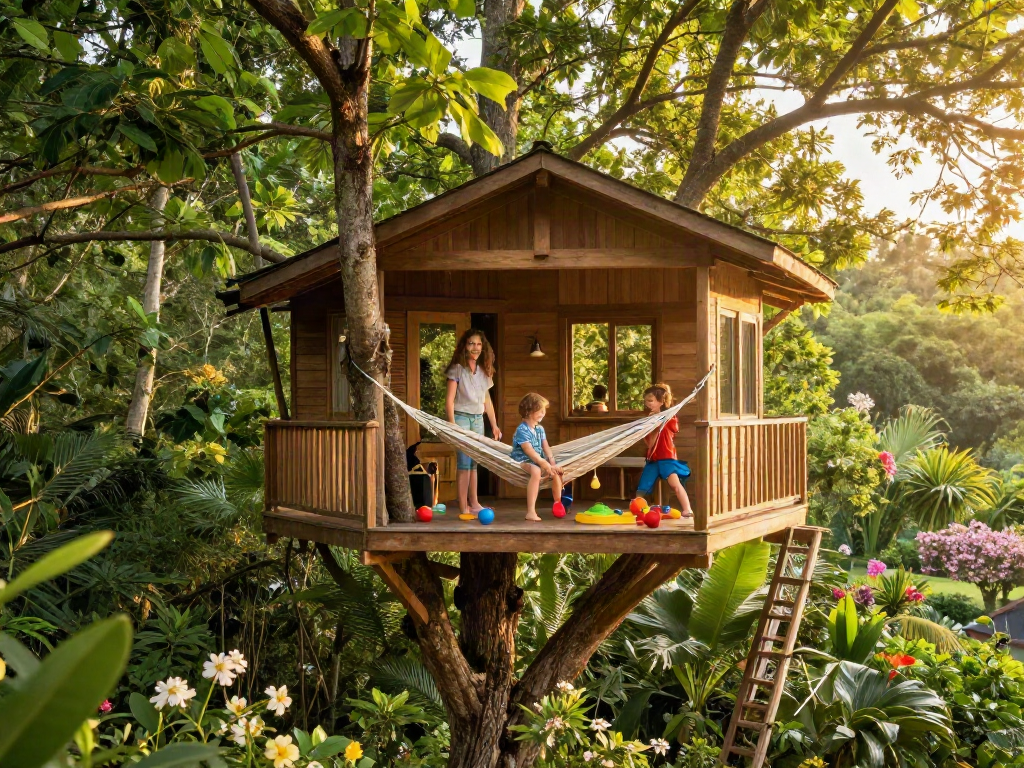
Understanding the Tree House Life
The concept of tree house living has evolved dramatically over the years, transforming from a childhood play area into a legitimate lifestyle choice that resonates with people around the globe. Embracing a life in the trees not only offers a unique aesthetic and architectural challenge but also a profound connection to nature that many seek in today's fast-paced world. For those exploring options in this fascinating realm, tree house life provides comprehensive insights into this exciting option.
What is Tree House Life?
Tree house life encapsulates the idea of living in, or spending significant time in, houses built in or among trees. This lifestyle can range from luxury tree homes equipped with modern amenities to rustic retreats designed for weekend getaways. The fundamental idea is to create a space that harmonises with nature, allowing individuals and families to experience the world from a unique vantage point above the ground.
Benefits of Living in a Tree House
Choosing to live or spend time in a tree house comes with a myriad of benefits:
- Enhanced Connection with Nature: Living among the trees fosters an intimate relationship with the natural world, promoting mindfulness and serenity.
- Unique Living Experience: A tree house offers an unconventional lifestyle that breaks away from traditional living spaces, allowing for creativity and personal expression.
- Eco-Friendly Options: Many tree houses are built using sustainable materials, minimising environmental impact and promoting a greener lifestyle.
- Increased Outdoor Activity: Tree house living often encourages more outdoor activities, from hiking and birdwatching to gardening in the surrounding nature.
Connection with Nature and Wellness
Research increasingly supports the idea that spending time in nature contributes positively to mental and physical health. Immersing oneself in a forested environment has been shown to reduce stress, improve mood, and boost overall well-being. Tree houses, being high above the ground and nestled among the foliage, provide the perfect backdrop for relaxation and rejuvenation. They create a sanctuary that is detached from the hustle and bustle of urban life, enabling individuals to recharge in a peaceful setting.
Designing Your Ideal Tree House
Choosing the Right Location
The success of a tree house primarily hinges on its location. It's essential to carefully assess the trees' health, stability, and species when selecting the perfect site. The chosen tree or trees should ideally be healthy, mature, and capable of supporting the structure's weight. Additionally, considerations should include proximity to water sources, sunlight exposure, and the surrounding landscape to enhance both accessibility and aesthetics.
Essential Design Elements for Comfort
To create a comfortable tree house, certain design elements should be prioritised:
- Size and Layout: Plan for an open layout that maximises space and allows for natural light to flow in. Consider including a balcony that extends the living area into the outdoors.
- Insulation: Appropriate insulation will ensure that the tree house remains comfortable throughout the year. Consider using eco-friendly options such as sheep's wool or recycled denim insulation.
- Access: Ensure safe access to your tree house with sturdy staircases or ladders, and consider adding features like rope bridges or zip lines for an adventurous touch.
- Functional Spaces: Incorporate a kitchenette and bathroom to make the tree house suitable for long-term stays. Outdoor areas for grilling and dining can also enhance the living experience.
Eco-Friendly Materials and Techniques
In the age of sustainability, employing eco-friendly materials and construction techniques is imperative. Consider sourcing reclaimed wood or bamboo for the structure. Using non-toxic paints and finishes can also promote a healthier indoor environment. Innovative techniques such as green roofs can enhance insulation and support local biodiversity while making the tree house look organic and beautiful.
Building Your Tree House: Step-by-Step Guide
Permits and Regulations to Consider
Before embarking on building a tree house, it's crucial to understand local building codes and regulations. Many areas have specific guidelines regarding tree house construction, particularly concerning height, safety, and materials used. Obtaining the necessary permits ensures compliance and protects your investment.
Tools and Materials You Will Need
A well-planned tree house construction requires several tools and materials. Essential items include:
- Power saws
- Drills
- Hammer and nails
- Wood (treated for long-lasting durability)
- Safety gear (helmets, harnesses)
Construction Phases Explained
Building a tree house can typically be broken down into distinct phases:
- Site Preparation: Clear the area and prepare the trees to support the structure.
- Building the Platform: Construct a robust platform that will serve as the foundation of the tree house.
- Building the Walls and Roof: Erect the walls and install a roof that provides adequate protection from the elements.
- Finishing Touches: Add insulation, interior fittings, and ensure that the access routes are safe and secure.
Tree House Living: Lifestyle and Community
Creating a Communal Living Space
Tree houses can serve as remarkable communal spaces for families and friends. By designing common areas, such as dining and recreational zones, people can foster connections and share experiences. This communal aspect can enrich lives, encouraging storytelling and bonding under the canopy of trees.
Activities and Functions of Tree Houses
A tree house can function for various purposes, including:
- Recreation: Provides a special place for children to play, promoting creativity and adventure.
- Retreat: Serves as a quiet space for adults to relax and unwind.
- Workspace: Some tree houses are equipped with office spaces, allowing for remote working in a tranquil environment.
Connecting with Fellow Tree House Enthusiasts
For those who embrace tree house life, connecting with like-minded individuals can enhance the experience. Local groups and online communities often share resources, tips, and personal experiences, making the journey of tree house living more fulfilling and insightful.
Future Trends in Tree House Life for 2026
Innovative Designs and Advances in Sustainability
The future of tree house living is bright, with ongoing innovations in design and building practices. Advances in sustainable technology, such as solar panels and rainwater harvesting systems, are becoming more common among tree house builders. These innovations not only enhance the functionality of tree houses but also align with the growing global focus on sustainability.
The Rise of Tree House Rentals and Glamping
As the desire for unique travel experiences increases, tree house rentals are gaining popularity. Glamping, or glamorous camping, offers people an opportunity to enjoy the great outdoors without sacrificing comfort. Tree houses serve as the perfect accommodation, combining luxury with the thrill of nature.
Predictions for Tree House Living in Urban Areas
As urban spaces become more crowded, tree houses may emerge as a viable solution for urban dwellers seeking an escape from city life. Rooftop tree houses or arboreal extensions of urban environments may provide unique living spaces that enhance city aesthetics while promoting a connection to nature.
How long do treehouses last?
With proper maintenance and quality materials, tree houses can last for decades. Ensuring regular inspections and timely repairs can significantly extend their lifespan.
Can you live in a treehouse full time?
Yes, many individuals live full-time in tree houses, provided they are designed with the necessary amenities and comply with local regulations.
What are the best materials for building a treehouse?
Durable and resistant materials, such as treated timber and steel brackets, are recommended for tree house construction. These materials ensure safety and longevity.
Are treehouses safe for children?
With thoughtful design considerations, such as secure railings and safe access points, tree houses can be safe spaces for children to play. Regular maintenance is vital to ensure ongoing safety.
Do treehouses require maintenance?
Yes, regular maintenance is essential to ensure structural integrity and safety, including checking for signs of wear, rot, and ensuring that the access routes remain safe.