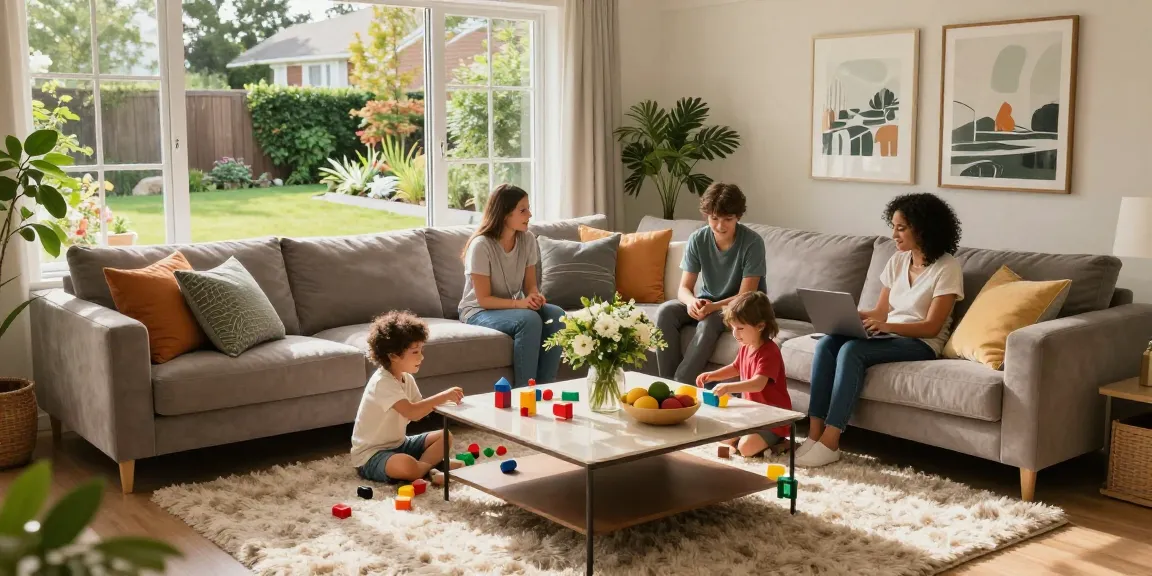
Understanding the Basics of Home Design
Home design is a multifaceted discipline that encompasses aesthetic appeal, functionality, and the essence of personal expression. As we enter 2026, it is essential to grasp the foundational elements of home design to create spaces that are not only visually appealing but also practical and reflective of individual tastes. When exploring options, https://themeroomideas.com provides comprehensive insights into the evolving concepts that define modern interiors.
What is Home Design?
Home design refers to the process of developing the interior and exterior spaces of a home to enhance its functionality, comfort, and aesthetic value. It involves the careful selection of colors, materials, furniture, and layouts that resonate with the homeowner’s preferences, lifestyle, and the home’s architectural style. The goal is to create environments that not only satisfy practical needs but also evoke feelings of warmth and welcoming.
Key Elements of Effective Design
Effective home design hinges on several key elements, including:
- Functionality: The space should accommodate the activities that occur within it without hindering movement or accessibility.
- Aesthetic Appeal: This encompasses the visual harmony and beauty of the design, achieved through color schemes, textures, and decor.
- Consistency: Design elements should complement each other, creating a cohesive look throughout the home.
- Personalization: Incorporating unique touches reflecting the homeowner’s personality helps to make a space feel truly like home.
The Role of Personal Style in Home Decor
Personal style is a driving force in home decor decisions. Homeowners are increasingly looking to express their individuality through their spaces. Whether it is through selecting a specific color palette, choosing minimalistic designs, or incorporating bohemian elements, personal style adds a distinct layer to home design. It transforms a standard living area into a reflection of who the owner is, making it an essential consideration during the design process.
Current Trends in Home Design for 2026
As we navigate through 2026, several trends are shaping the future of home design. Understanding these trends can guide homeowners in making informed choices that are both stylish and practical.
Popular Color Schemes and Textures
Color trends in 2026 are embracing earthy tones, rich greens, blues, and subdued neutrals that reflect the natural world. Textures are equally essential; mixing smooth surfaces with tactile materials such as wood, stone, and textiles creates depth and interest. These palettes not only inspire tranquility but also promote a connection with the environment.
Innovative Furniture and Layout Ideas
The shift toward multifunctional spaces is a significant trend. Furniture pieces that serve dual purposes, such as coffee tables with storage or beds that transform into desks, are increasingly popular. Layouts are designed with flexibility in mind, allowing homeowners to adapt their spaces to various activities, from work to leisure, in a single location.
Technology Integration in Modern Homes
Smart home technology is becoming more integrated into new designs. Features such as energy-efficient lighting, smart thermostats, and integrated sound systems are not just conveniences but essential aspects that enhance the modern living experience. This technology also improves efficiency and security, making homes more adaptive to the needs of their occupants.
Pros of Modern Home Design Approaches
Modern approaches to home design offer numerous advantages that appeal to homeowners seeking efficiency and personalization.
Efficiency and Sustainability Benefits
One of the primary benefits of modern home design is its focus on sustainability. Utilizing eco-friendly materials, energy-efficient appliances, and smart technologies can significantly reduce a home’s carbon footprint. This not only benefits the environment but can also lead to substantial savings in utility bills over time.
Enhanced Aesthetic Appeal
Modern designs emphasize clean lines and open spaces, which often result in a heightened sense of style. The aesthetic appeal of a well-designed home not only enhances the owner’s enjoyment but can also impress visitors, creating a welcoming atmosphere that is both stylish and inviting.
Increased Property Value Over Time
Investing in modern design can yield a higher property value. Homes that incorporate contemporary trends and sustainable practices are increasingly appealing to potential buyers, making them a smart long-term investment.
Cons of Certain Home Design Trends
While modern home design offers many benefits, there are also drawbacks to consider.
Cost Implications of High-End Designs
High-end designs can come with hefty price tags, which may not fit every homeowner’s budget. Investing in premium materials, custom-built furniture, or specialized technology can push costs beyond expectations, requiring careful financial planning.
Potential Over-Customization Risks
Over-customizing a home can lead to difficulties when it comes time to sell. While it’s essential to make a space personal, potential buyers may not appreciate highly individualized elements. Balancing personalization with mainstream appeal is crucial to avoid alienating future buyers.
Rapidly Changing Trends and Their Impact
Home design trends can change quickly, leading to the risk of becoming outdated. Homeowners may find that their investment in specific styles or technologies might not hold up over time, necessitating further renovations sooner than anticipated.
Practical Tips for Implementing Home Design Ideas
Implementing effective home design strategies requires practical considerations and planning. Here are some tips to help you get started.
Budgeting for Home Renovations
Establishing a budget is the first step in any renovation project. It’s crucial to account for not just materials and labor but also any unforeseen expenses that may arise during the process. Consider allocating a portion of your budget for unexpected costs to avoid financial strain.
Finding Reliable Contractors and Designers
Choosing the right contractor or designer is essential for the success of your project. Look for professionals with experience, positive reviews, and a portfolio that aligns with your vision. Conducting interviews and obtaining multiple quotes can help ensure you find the best fit for your needs.
Measuring Success: Metrics of Good Design
Measuring the success of your design implementation can be subjective. However, some key metrics to consider include functionality, aesthetic appeal, and overall satisfaction. Regularly evaluate how well your design serves your lifestyle needs and make adjustments as necessary.
What are the most popular home design trends for 2026?
Among the most popular trends for 2026 are sustainable design practices, integration of smart home technology, and the incorporation of natural elements into interiors. Homeowners are increasingly valuing eco-efficient features and looking for ways to blend their living spaces harmoniously with nature.
How can I personalize my home design?
Personalizing your home design can be achieved through selecting colors and materials that reflect your taste, incorporating family heirlooms or art, and customizing layouts that best fit your lifestyle. Small details like unique decor items can significantly enhance your space.
What should I consider before starting a home renovation?
Before beginning a renovation, consider the overall goals of the project, budget constraints, the potential impact on property value, and the need for consultations with professionals. It’s essential to have a clear plan and realistic expectations to ensure a smooth renovation process.
How can technology enhance my home design?
Technology enhances home design by providing smart solutions for lighting, climate control, and security. Automated systems can improve efficiency and comfort while also allowing for customization based on personal preferences. Integrating technology wisely can elevate the living experience significantly.
What are the common pitfalls in home design?
Common pitfalls in home design include neglecting functionality in favor of aesthetics, failing to plan for future needs, and overlooking the importance of quality materials. Avoiding these mistakes can help ensure a well-balanced and successful design.