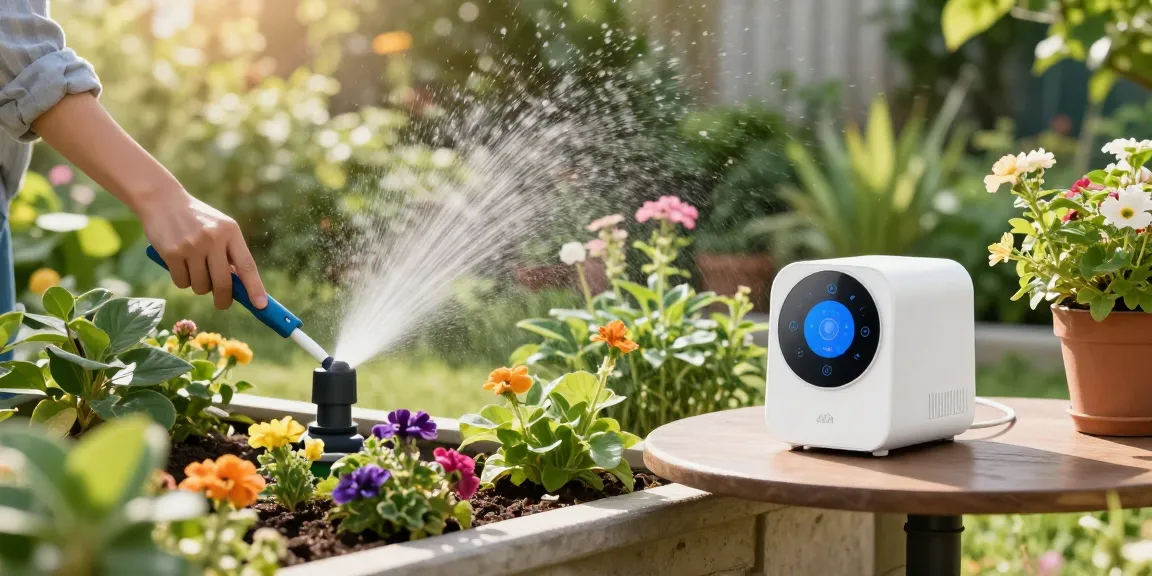
Understanding Smart Sprinkler Technology
In today’s rapidly evolving gardening landscape, the integration of technology has reached unprecedented heights, paving the way for innovative solutions that enhance water management. One such solution is the smart sprinkler. These advanced systems are transforming the way we approach irrigation, making it smarter and more efficient. By seamlessly combining traditional watering methods with cutting-edge technology, smart sprinklers help gardeners conserve water, nurture plants more effectively, and ultimately achieve more vibrant gardens.
What is a Smart Sprinkler System?
A smart sprinkler system is an automated irrigation solution that utilizes advanced technology to optimize watering schedules and techniques. Unlike traditional sprinkler systems, which operate on fixed schedules, smart sprinklers adjust their watering based on various environmental factors such as weather conditions, soil moisture levels, and plant types. This ensures that gardens receive the precise amount of water needed, minimizing waste and promoting healthier plant growth.
How Smart Sprinklers Work: Key Features
Smart sprinklers are equipped with a variety of features that set them apart from conventional systems. Key functionalities include:
- Weather Sensors: Smart sprinklers often integrate local weather data to avoid watering during rain or high humidity.
- Soil Moisture Monitoring: These systems use sensors to measure soil moisture levels, ensuring that watering only occurs when necessary.
- Mobile App Connectivity: Most smart sprinklers can be controlled remotely through a smartphone app, allowing users to adjust settings from anywhere.
- Data Analytics: Many models provide users with detailed reports on water usage and plant health, helping to inform future gardening decisions.
Benefits of Using Smart Sprinklers
Utilizing a smart sprinkler system in your garden offers numerous advantages, including:
- Water Conservation: By tailoring watering schedules to actual plant needs, smart sprinklers significantly reduce water wastage.
- Cost Savings: Lower water bills due to efficient watering can lead to substantial savings over time.
- Healthier Plants: Smart sprinklers provide optimal moisture levels, promoting stronger root systems and vibrant foliage.
- Convenience: Automated watering schedules relieve the burden of manual watering, allowing gardeners to focus on other tasks.
Water Conservation and Benefits
The importance of water conservation cannot be overstated, especially in regions experiences drought or water scarcity. Smart sprinkler systems play a crucial role in addressing these challenges by optimizing water usage without compromising garden health. For a deeper dive into this topic, smart sprinkler solutions provide comprehensive insights that can assist homeowners in making eco-friendly choices.
How Smart Sprinklers Reduce Water Waste
One of the primary functions of smart sprinklers is to minimize water waste through precise irrigation techniques. Traditional systems often lead to oversaturation or unequal distribution, resulting in runoff and increased evaporation. Smart sprinklers adjust to current weather patterns, ensuring that water is applied only when the garden truly needs it. This proactive approach not only conserves water but also contributes to a healthier ecosystem.
Environmental Benefits of Efficient Water Use
By reducing overall water consumption, smart sprinklers help lessen the environmental impact associated with excessive irrigation. This includes:
- Preventing Soil Erosion: Proper watering techniques reduce soil erosion caused by runoff.
- Enhancing Biodiversity: Healthier plants support local wildlife and promote a balanced ecosystem.
- Lowering Carbon Footprint: Using less water can lead to decreased energy consumption from water pumping and treatment processes.
Comparing Water Costs: Traditional vs. Smart Sprinklers
When evaluating the cost-effectiveness of smart sprinklers, it is essential to compare them to traditional systems. Although the initial investment in a smart sprinkler might be higher, the long-term savings on water bills can outweigh the upfront costs. Additionally, many smart sprinkler systems qualify for rebates and incentives, further enhancing their financial appeal.
Setting Up Your Smart Sprinkler
Transitioning to a smart sprinkler system can seem daunting, but with the right information, the setup process can be streamlined. Here are some essential steps to consider:
Choosing the Right Smart Sprinkler for Your Garden
Selecting the right smart sprinkler depends on several factors, including garden size, plant types, and specific watering needs. Homeowners should consider models that offer:
- Zone control for different areas of the garden
- Compatibility with existing irrigation systems
- Robust app support for user-friendly management
Installation Tips for Homeowners
Installing a smart sprinkler system often involves the following steps:
- Assess Your Garden: Analyze the layout, sun exposure, and types of plants to determine optimal watering strategies.
- Follow Manufacturer Instructions: Adhere to the specific setup guidelines provided by the manufacturer for best results.
- Test the System: Once installed, run a test to ensure proper functionality and adjust settings as needed.
Common Challenges and Solutions During Setup
While many homeowners find smart sprinkler installation easy, challenges can arise. Some common issues include:
- Wi-Fi Connectivity Problems: Ensure that the system is within range of the router to avoid connectivity issues.
- Sensor Calibration: Properly calibrating soil moisture sensors is crucial for accurate watering schedules.
- App Integration: Familiarize yourself with the app functionalities to maximize the system’s potential.
Advanced Features and Innovations in 2026
As technology advances, so do the capabilities of smart sprinkler systems. In 2026, we can expect to see a range of innovative features, enhancing the usability and efficiency of these systems.
New Technologies in Smart Sprinklers
Emerging technologies include:
- Artificial Intelligence Integration: AI can analyze plant health and adjust watering schedules accordingly.
- Drone Technology: Drones may be used for large-scale monitoring of irrigation needs across vast landscapes.
- Enhanced Sensor Technology: New soil and weather sensors promise even greater accuracy in determining watering needs.
Integration with Smart Home Systems
Smart sprinklers are increasingly being integrated with other smart home technologies, allowing for seamless control and automation. Homeowners can coordinate watering schedules with other smart devices, such as rain sensors and home automation systems, creating a fully interconnected gardening experience.
Future Trends in Garden Irrigation Solutions
In the coming years, we can anticipate a rise in sustainable irrigation practices, with smart sprinklers leading the charge. Trends might include:
- Greater Customization: Users will have more options to tailor irrigation settings based on individual plant needs.
- Collaboration with Local Governments: Smart systems may work in conjunction with municipal water management efforts to optimize usage.
Real-World Applications and Success Stories
Real-world examples highlight the positive impact of smart sprinklers on gardening practices and water conservation efforts.
Case Studies: Homeowners’ Experiences with Smart Sprinklers
Many homeowners have reported significant improvements in gardening efficiency after transitioning to smart sprinkler systems. For instance, one user noted that their garden’s vitality and health skyrocketed once they began utilizing soil moisture sensors, which reduced their watering frequency and tailored it to actual plant needs.
Testimonials: Transforming Gardens with Technology
Feedback from satisfied users consistently highlights the convenience and effectiveness of smart sprinklers. Users rave about the ability to monitor their gardens remotely and adjust settings at their convenience, ultimately leading to healthier plants with less effort.
Expert Insights and Recommendations
Gardening experts emphasize the importance of adopting smart irrigation technologies for both water conservation and plant health. Recommendations include:
- Investing in models with robust data analytics features to inform future gardening decisions.
- Utilizing soil moisture sensors to better understand individual plant needs and tailor watering schedules.
What Are the Most Common Misconceptions About Smart Sprinklers?
Some common misconceptions include the belief that smart sprinklers are too complex to operate or that they cannot be integrated with existing systems. In reality, many smart sprinkler systems are designed with user-friendliness in mind, allowing for easy installation and operation.
How Can Smart Sprinklers Make Gardening Easier?
Smart sprinklers simplify gardening by automating the watering process, allowing homeowners to focus on other gardening tasks while ensuring that their plants receive adequate hydration. This reduces manual labor and ensures that gardens thrive with minimal effort.
How to Troubleshoot Common Smart Sprinkler Issues?
Common issues with smart sprinklers may include connectivity problems, sensor malfunctions, or scheduling conflicts. Regularly checking connections, recalibrating sensors, and familiarizing oneself with app functionalities can help resolve many of these challenges.